


In addition, we show the effect of each transaction on the balance sheet and income statement. Starting at the top of the statement we know that the owner’s equity before the start of 2024 was $60,000 and in 2024 the owner invested an additional $10,000. As a result we have $70,000 before considering the amount of Net Income. We also know that after the amount of Net Income is added, the Subtotal has to be $134,000 (the Subtotal calculated in Step 4). It will become part of depreciation expense only after it is placed into the accounting equation is usually expressed as service. It is easy to see that an additional investment by the owner will directly increase the owner’s equity.

Because the Alphabet, Inc. calculation shows that the basic accounting equation is in balance, it’s correct. Equity is named Owner’s Equity, Shareholders’ Equity, or Stockholders’ Equity on the balance sheet. Business owners with http://uat.nationallegalservice.co.uk/quickbooks-online-login-sign-in-to-access-your-5/ sole proprietorships and small businesses that aren’t corporations use Owner’s Equity. Corporations with shareholders may call Equity either Shareholders’ Equity or Stockholders’ Equity. Equity comprises various components, primary among them being retained earnings, contributed capital, and additional paid-in capital. Retained earnings represent the cumulative profits that have been reinvested in the business rather than distributed to shareholders as dividends.
The purpose is to allocate the cost to expense in order to comply with the matching principle. In other words, the amount allocated to expense is not indicative of the economic value being consumed. Similarly, the amount not yet allocated is not an indication of its current market value. For example, Accumulated Depreciation is a contra asset account, because its credit balance is contra to the debit balance for an asset account. This is an owner’s equity account and as such you would expect a credit balance. Other examples include (1) the allowance for doubtful accounts, (2) discount on bonds payable, (3) sales returns and allowances, and (4) sales discounts.
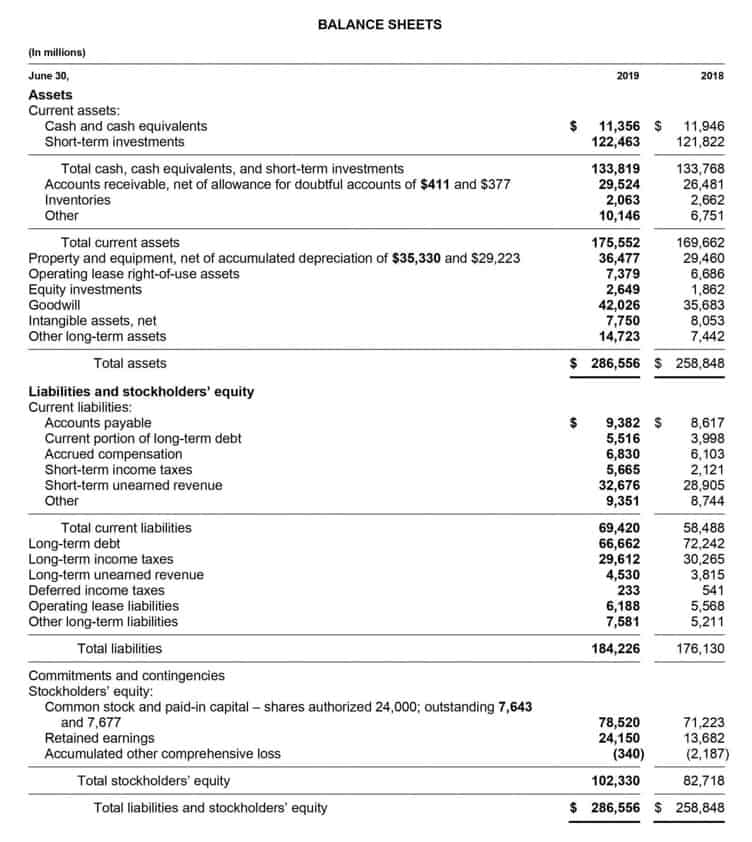
Accumulated Depreciation is a long-term contra asset account (an asset account with a credit balance) that is reported on the balance sheet under the heading Property, Plant, and Equipment. The totals indicate that ASC has assets of $9,900 and the source of those assets is the owner of the company. You can also conclude that the company has assets or resources of $9,900 and the only claim against those resources is the owner’s claim. Liabilities are debts that a company owes and costs that it must pay to keep running. Debt is a liability whether it's a long-term loan or a bill that's due to be paid. Costs can include rent, taxes, utilities, salaries, wages, and dividends payable.
Usually, any changes in the owner’s equity are a result of Mental Health Billing different business activities. Issuing new shares or receiving additional capital from owners increases equity, which enhances the company’s financial strength. On the other hand, any losses or dividends paid to the shareholders decrease equity, leading to a reduction in the owner’s share of the company’s value.


